
How Long Does Concrete Last in Florida? A Complete Guide
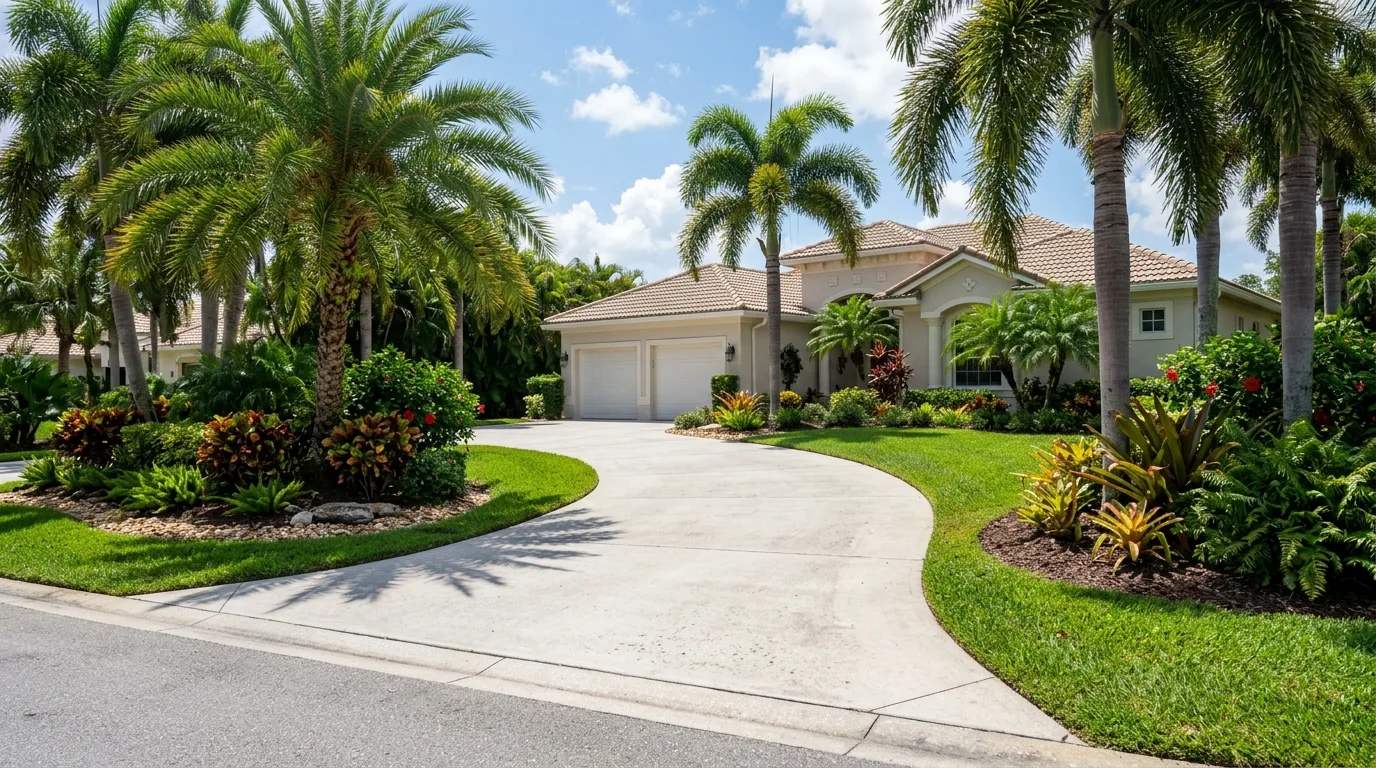
One of the most common questions we hear from University Park homeowners is: “How long should my concrete last?” It’s a fair question — concrete is a significant investment, and you deserve to know what you’re getting.
The honest answer: it depends. Concrete lifespan in Florida ranges from 15 years (poor installation, zero maintenance) to 50+ years (quality installation, proper maintenance). This guide breaks down the realistic expectations for different concrete applications in University Park’s climate.
Questions About Your Concrete's Condition?
Get a free concrete assessment from University Park Concrete.
Concrete Lifespan in Florida: The Overview
First, some good news: Florida’s climate is actually relatively gentle on concrete compared to states that experience severe freeze-thaw cycling. The greatest enemy of concrete in University Park isn’t cold — it’s the combination of intense UV radiation, moisture cycling, and Florida’s expansive soils.
Here are the realistic lifespan expectations for properly installed concrete in University Park:
| Application | With No Maintenance | With Proper Maintenance |
|---|---|---|
| Driveway | 20–30 years | 35–50+ years |
| Patio | 20–30 years | 35–50+ years |
| Pool deck | 15–25 years | 30–40+ years |
| Sidewalk | 25–40 years | 40–60+ years |
| Foundation | 40–60 years | 75–100+ years |
| Retaining wall | 20–30 years | 40–50+ years |
These ranges reflect properly installed concrete. Poor installation significantly shortens all of these.
What Determines How Long Concrete Lasts in Florida?
Installation Quality (Most Important)
Nothing has more impact on concrete longevity than the quality of the original installation:
Concrete mix design: Florida concrete should be specified to handle the climate. Minimum 3,500 psi compressive strength for driveways, proper water/cement ratio, and appropriate aggregate size all matter.
Base preparation: The subgrade below the concrete must be properly compacted and stable. Poor base = early cracking and settlement regardless of how good the concrete is.
Reinforcement: Wire mesh, fiber reinforcement, or rebar significantly extends crack resistance and lifespan. Many concrete failures in University Park trace back to inadequate or improperly placed reinforcement.
Control joints: Properly spaced and cut control joints allow controlled cracking in straight, predictable lines rather than random fractures through the slab.
Curing: Concrete that dried too quickly in Florida’s summer heat develops surface checking and reduced strength. Quality contractors use curing compounds, blankets, or schedule pours for favorable conditions.
Learn how to find a quality installer in our contractor selection guide.
Sealing and Maintenance
This is the biggest variable homeowners control after the concrete is in:
Sealed concrete in Florida can outlast unsealed concrete by 15–20 years. UV radiation breaks down concrete’s surface, moisture infiltration leads to base erosion and reinforcement corrosion, and Florida’s chemical environment (including pool chemicals, fertilizers, and salt air for coastal properties) degrades unprotected concrete.
A proper sealing schedule can extend your concrete’s life from 25 years to 50 years. See our complete concrete maintenance guide for Florida.
Environmental Factors Specific to University Park
Soil type: Properties with higher clay content in the soil (very common in Manatee County) experience more soil movement, which stresses concrete above.
Tree proximity: Large trees within 10–15 feet of concrete slabs eventually cause problems as roots grow and expand.
Drainage: Concrete that’s constantly wet (from poor grading or broken sprinklers) deteriorates significantly faster than well-drained concrete.
Coastal proximity: Properties near the Gulf or bay experience salt air, which accelerates concrete corrosion if reinforcement isn’t properly protected.
How Is Your Concrete Holding Up?
Get a free condition assessment from University Park Concrete. We'll tell you honestly what you need.
Signs Your Concrete Is Aging Prematurely
Watch for these warning signs that your concrete isn’t aging well:
Stage 1 (Minor, Addressable)
- Hairline surface cracks (most concrete develops these — mostly cosmetic)
- Surface scaling or pitting
- Color fading (especially in stamped or colored concrete)
- Light efflorescence (white mineral deposits)
Action: Seal or reseal to prevent progression. See our crack repair guide.
Stage 2 (Moderate, Should Be Addressed)
- Cracks 1/4 inch or wider
- Spalling (concrete flaking or popping off in chunks)
- Surface delamination (top layer separating)
- Settled areas or drainage toward house
Action: Professional repair or resurfacing. Continued neglect leads to Stage 3.
Stage 3 (Significant Deterioration)
- Displacement cracks (one side higher or lower)
- Large sunken or heaved sections
- Widespread structural cracking
- Visible rebar corrosion (rust stains)
Action: Partial or full replacement. Attempting to maintain Stage 3 concrete is usually not cost-effective.
Concrete vs. Asphalt Lifespan in Florida
As covered in our concrete vs asphalt comparison:
- Asphalt driveways: 15–20 years in Florida with regular resealing (every 2–3 years)
- Concrete driveways: 35–50+ years with proper sealing (every 4–7 years)
The longer lifespan of concrete, combined with its lower maintenance requirements, makes it more economical over the long term despite the higher upfront cost.
How to Maximize Your Concrete’s Lifespan in University Park
Right After Installation
- Allow proper curing time before driving on it (typically 7–10 days for driveways)
- Apply a quality sealer within 30 days of installation
- Avoid heavy loads during the first 28 days (full strength development takes ~28 days)
Ongoing Maintenance (From Our Full Maintenance Guide)
- Reseal every 3–7 years depending on application and sealer type
- Address cracks promptly before they widen or allow water infiltration
- Keep water draining away from concrete (check grading annually)
- Keep sprinklers from constantly wetting concrete surfaces
- Remove standing water after storms
- Keep large trees trimmed back from concrete edges
Is Your Concrete Salvageable or Does It Need Replacement?
This is the practical question for many University Park homeowners. As a rough guide:
Repair or resurfacing is usually cost-effective when:
- The base is still structurally sound
- Damage is mainly at the surface (spalling, color fading, minor cracking)
- Individual problem sections can be addressed without replacing the whole slab
Replacement usually makes more sense when:
- Base settlement has caused widespread displacement
- Structural cracks span most of the slab
- Water infiltration has eroded the base
- Cost of repairs approaches 50% of replacement cost
When in doubt, our team provides free assessments throughout University Park and the Sarasota-Bradenton area. We give you our honest recommendation — whether that’s a simple seal job, targeted repairs, or full replacement.
Assess Your Concrete's Remaining Life
Call University Park Concrete for a free, no-obligation concrete condition assessment. Honest advice, no pressure.